28 November 2026
What to check before booking a dune buggy in Dubai
Presented by @thedunebuggydubaispot
Booking a dune buggy in Dubai is straightforward, but the details matter. The desert looks open and simple from a distance, yet terrain, vehicle setup, safety rules, and booking terms can change the experience a lot. A little checking before you pay helps you match the ride to your confidence level, your group, and the kind of day you want.
Start with the basics: who can drive, what is included, and what happens if plans change. Those points sound ordinary, but they shape the whole outing. A low price may leave out gear, transport, insurance, or a proper briefing. A longer package may include extras you do not need. The best choice is the one that fits your group and your comfort with desert driving.
Vehicle type and driving setup
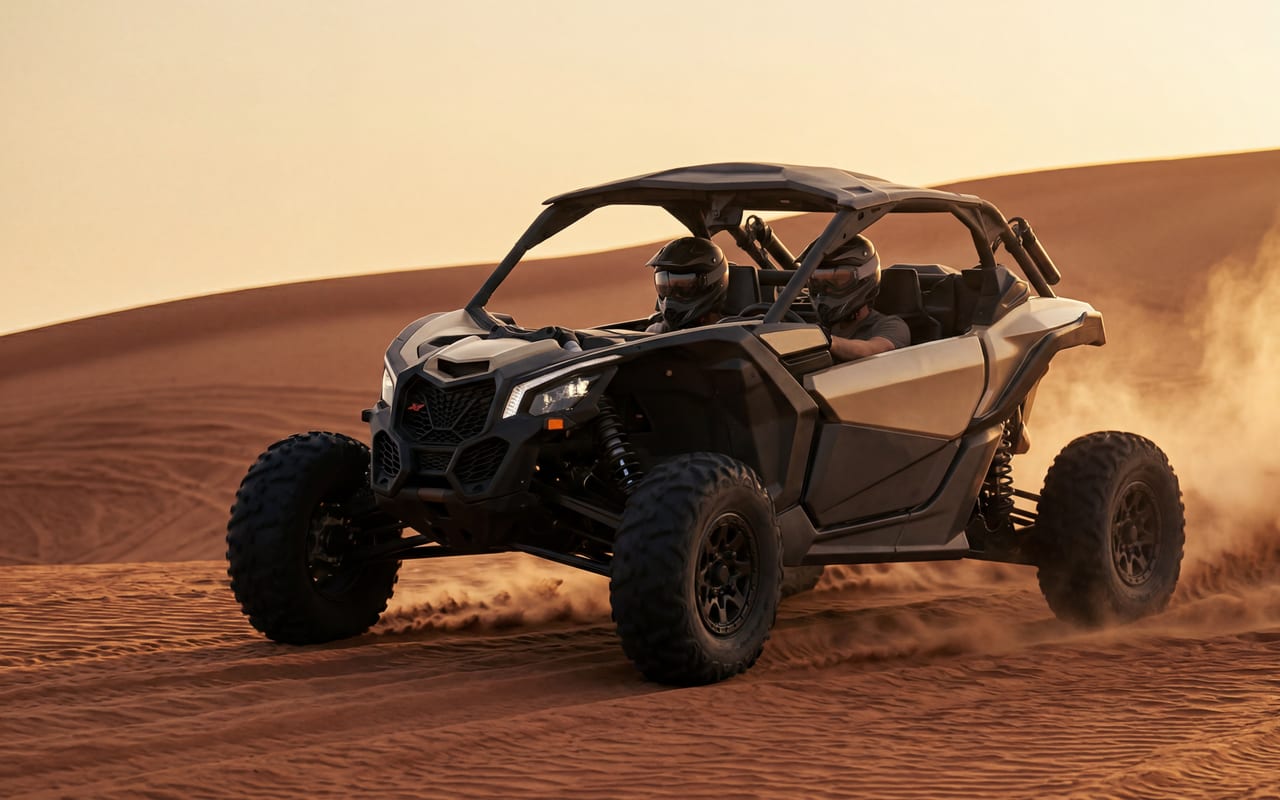
The first thing to check is the kind of buggy being offered. Some are built for two people, others take four. Some have automatic transmission, while others expect the driver to change gears. If you have never driven on sand, an automatic buggy is usually easier to manage because you can focus on steering, distance, and the shape of the dunes.
Ask about the dune buggy engine type in plain terms. You do not need a technical lecture, but you should know whether the vehicle is suited to the route and the group size. A small engine can feel strained when carrying extra weight through soft sand. A more powerful buggy can be lively, which may not suit a cautious driver. The right match is balanced, not simply the biggest option available.
Also check the dune buggy seating capacity before you book. Count seats properly, including the driver. If children are coming, ask whether child seats or booster seats are available and whether the vehicle can fit them safely. Do not assume that a seat belt alone is enough for a young child. If anyone in the group needs more room, say so early rather than hoping for an upgrade on the day.

Safety gear and condition
Good safety gear should be part of the plan, not an afterthought. Before booking, check whether helmets, gloves, goggles, and seat belts are provided. Helmets should fit well and fasten securely. Goggles matter because dust can make it hard to see, especially when several vehicles travel close together. Closed shoes are also sensible, since feet need protection around pedals, hot sand, and vehicle edges.
Ask how the buggy is checked between rides. You are not looking for a workshop manual, just reassurance that basic wear is noticed. Tyres, steering, brakes, seat belts, and lights all deserve attention. A vehicle that pulls to one side, has loose steering, or makes odd noises is not something to ignore. If a problem is reported, the fix should be handled by a qualified professional before the buggy is used.
The buggy suspension system is another useful point to ask about. Sand is not flat, and hidden dips can jolt the vehicle hard. A sound suspension setup helps the buggy stay steady over ridges and rough patches. You do not need to understand every part. A simple question about whether the suspension is checked regularly can reveal how carefully the vehicles are maintained.
Route, terrain, and pace
Not every dune route suits every driver. Before you commit, ask where the ride goes and how demanding the terrain is. Desert terrain driving can involve soft sand, steep slopes, narrow tracks, and sudden changes in surface. A route that looks short on a map may take longer if the sand is heavy or the group stops often.
Find out whether the ride follows marked routes or open desert areas. Sand dune navigation is a skill, and drivers should not be expected to guess the way. A clear route also helps reduce the chance of riders spreading out too far. If the booking includes a lead vehicle or guide, ask what that person does and whether they set the pace for the whole group.
Pace is easy to overlook. Some riders want a gentle introduction with photo stops. Others want faster driving and more time on the dunes. These are different days. If your group includes new drivers, children, or older passengers, a calmer pace is usually better. If experienced riders want more speed, check where that is allowed and how the route handles mixed abilities.
Driving rules and restrictions
Check the driver requirements before booking. Age limits, licence rules, and passenger rules can vary by provider and package. Some rides allow a passenger to drive for part of the route, while others keep one driver per vehicle. If two people both want a turn, ask about this in advance rather than arranging it on the day.
Dune buggy speed limits are worth understanding too. Speed is not just about thrill. It affects steering, braking distance, and how quickly a vehicle reacts to a hidden dip. In busy areas, slower driving also helps everyone stay separated. A provider that explains speed expectations clearly is usually thinking about control as well as fun.

Alcohol, fatigue, and distraction have no place in desert driving. If the day includes a meal or refreshments, check when driving happens and make sure drivers are clear headed. Ask what the rule is if someone arrives late, changes their mind, or seems unfit to drive. A flexible booking is useful, but safety rules should not be treated as optional.
Booking terms and what is included
Read the booking details closely. Check the duration, meeting point, transport arrangements, and what the rider needs to bring. Some packages include pickup, while others require guests to reach a set location. Confirm the meeting point clearly, especially if the day starts early or the pickup area is large.
Water, shade, and basic facilities can matter in the desert. Ask whether drinking water is provided and whether there are stops during longer rides. Sun protection is sensible for most visitors, including a hat, sunglasses, and sunscreen. Loose clothing can catch on vehicle parts, so choose comfortable items that stay in place.
Some visitors compare a buggy ride with quad biking dubai, since both involve off road driving. They are not the same experience. A buggy usually offers a seated position, a roll structure, and a different feel from a quad bike. Quad biking dubai may appeal to riders who like a more direct riding posture, while a buggy can feel more stable for passengers. Choose based on the vehicle and route, not just the name on the booking page.
Check cancellation and rescheduling terms before paying. Desert plans can be affected by weather, traffic, or personal changes. Clear terms help you understand what happens if the day does not go as planned. Ask for confirmation in writing and keep it somewhere easy to find. A short message with the vehicle type, duration, pickup details, and included gear can prevent confusion later.
Questions worth asking before you pay
If you want a quick way to narrow your options, these questions cover the most useful ground:
- What buggy model will be used, and is it automatic?
- How many people fit safely, and are child seats available?
- Are helmets, goggles, gloves, and seat belts provided?
- Where does the route go, and how rough is the terrain?
- What happens if weather or timing disrupts the booking?
The answers should be direct. Vague replies about route conditions, safety gear, or vehicle setup are a reason to pause. A good booking should leave you knowing what you are getting into, not guessing on the day.
Matching the ride to your group
Think about the group as a whole. A couple of confident drivers may enjoy a more active ride, while a family with young passengers may prefer shorter driving sections and more stops. Mixed groups need a route that keeps everyone together without making experienced riders feel held back the entire time.
Comfort also matters. Sand, heat, and dust can be tiring, even on a short ride. Choose a time of day that suits the group, bring water, and avoid heavy meals just before driving. Anyone prone to motion sickness should think carefully about rough sections and take sensible precautions in advance.
Finally, check how the booking handles communication on the day. A clear meeting point, a named contact, and a simple check in process reduce stress before the ride starts. Once those practical pieces are settled, the choice becomes much easier. You can focus on the vehicle, the dunes, and whether the pace feels right, rather than sorting out details in the sand.